From Ceramics to GaN: A Lifetime of Power Electronics Innovation
When I first entered the world of power electronics in the early 1980s, few could have imagined just how far the field would evolve over the next four decades. Back


When I first entered the world of power electronics in the early 1980s, few could have imagined just how far the field would evolve over the next four decades. Back
Global semiconductor manufacturer Nexperia and the Hamburg University of Technology (TU Hamburg) have launched an endowed professorship in power electronic devices – a crucial field for the advancement of energy-efficient
As IEEE and PELS have continued to grow and evolve, we mark the 10th anniversary of the magazine [1] with a demographic look at the publication [3]. Though many aspects
There’s something energizing hearing the journey of a leader who has navigated challenges in her career while also committing herself to lifting others along the way. The Power at the
In 2025, the Power Sources Manufacturers Association (PSMA) and the Applied Power Electronics Conference (APEC) both celebrate a remarkable milestone—40 years of driving innovation, collaboration, and education in the power
This column was launched in the last issue of the IEEE Power Electronics Magazine to look holistically at the ongoing energy transition, driven by “exponential-technologies.” These are the areas where
I am writing this after just getting home from the IEEE Applied Power Electronics Conference (APEC 2025). As usual, it was a great conference. The Georgia World Congress Center was
One of the primary goals of the Students and Young Professionals (S&YP) Committee is to support and host engaging events at major Power Electronics Society (PELS)-sponsored conferences around the world.
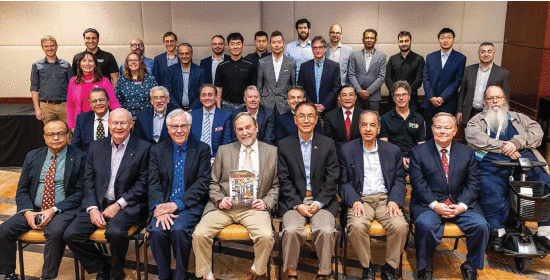
This year’s Applied Power Electronics Conference (APEC) hit its 40th anniversary, but that wasn’t the only notable milestone celebrated at the event. The IEEE Power Electronics Society (PELS) held a
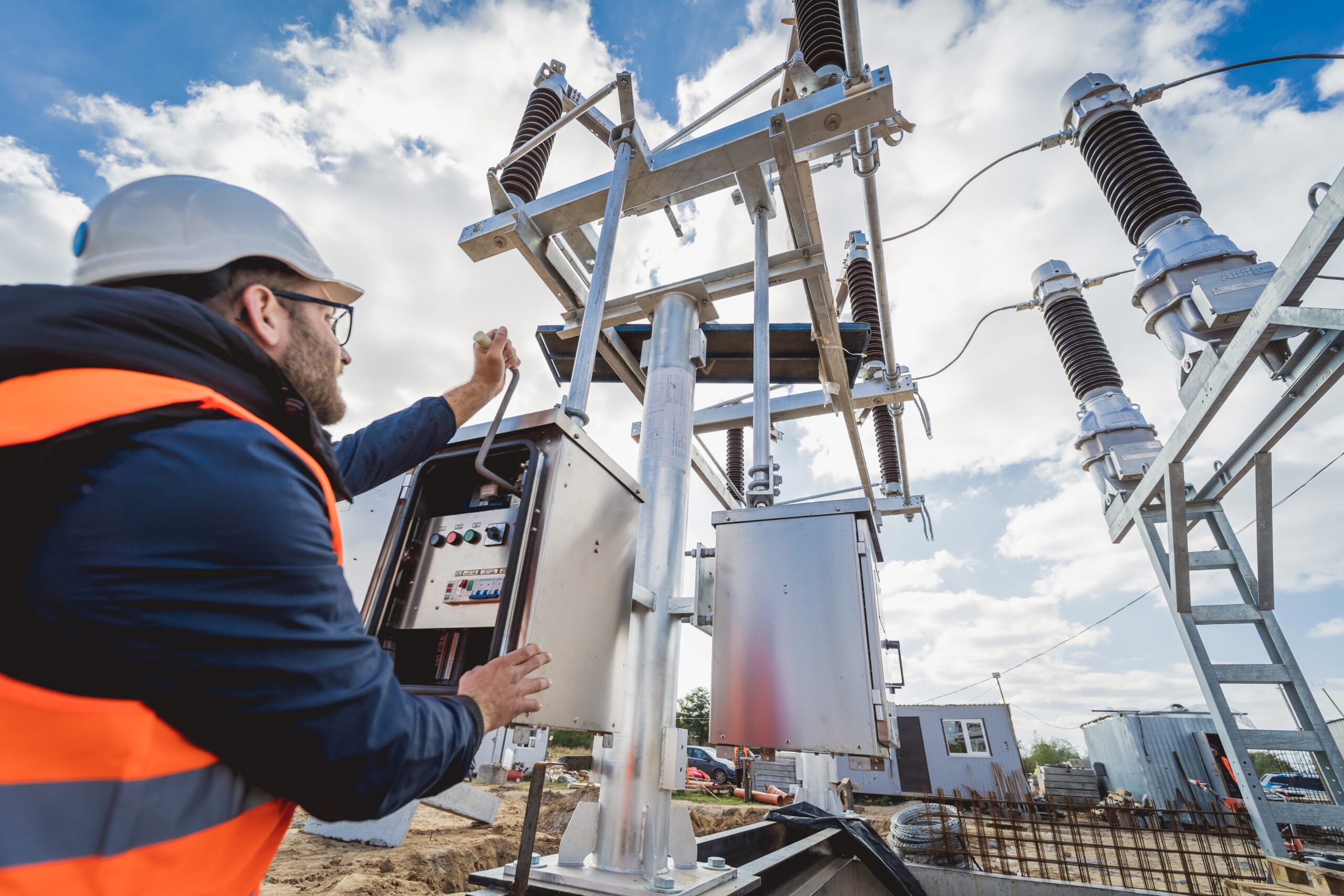
With the continuous electrification of various industries, the range of applications and ratings of high-power converters are expected to expand further. To reduce CO2 emissions, electrification is being promoted not